Telemedicine Software Development

Virtual care only works when the technology behind it does. Binariks builds secure and scalable telemedicine solutions that healthcare organizations and digital health companies actually rely on.

Get a Consultation

What Is Telemedicine App Development?

Telemedicine app development is the process of building secure digital platforms for remote healthcare delivery. It covers video consultations, messaging, scheduling, patient portals, remote patient monitoring, EHR/EMR integrations, e-prescriptions, clinical documentation, cloud infrastructure, and compliance-aware workflows for patients, providers, and care teams.
Telemedicine App Development

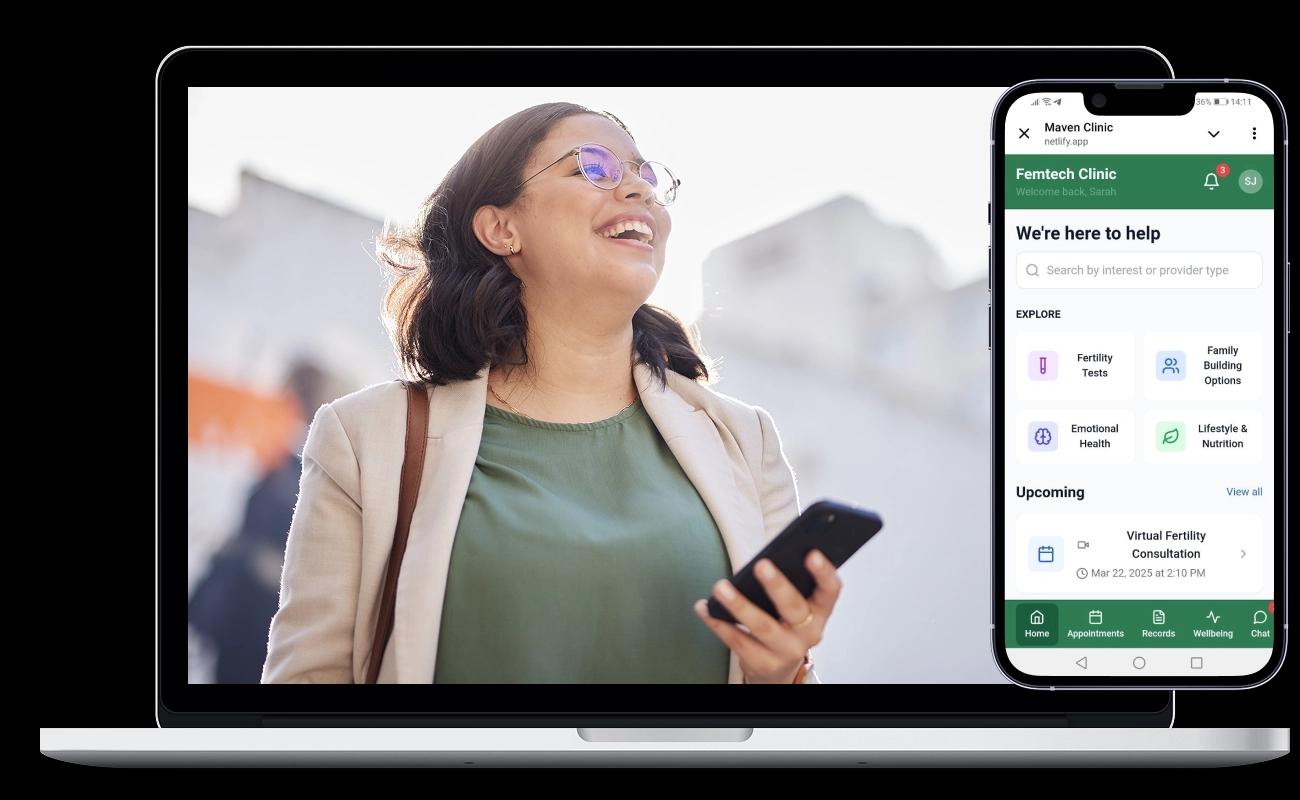
Custom web, iOS, Android, and cross-platform telemedicine apps for patients, providers, and care teams. Binariks builds secure consultation, messaging, scheduling, onboarding, and medical record access workflows around real clinical use.
Remote Patient Monitoring

RPM infrastructure for device onboarding, vitals collection, alert logic, provider dashboards, and chronic care workflows. We help connect patient-generated data with clinical teams without creating another disconnected system.

EHR/EMR Integration

FHIR, HL7, and API-based integration with EHR/EMR systems, patient records, clinical documentation, and care workflows. Binariks helps telemedicine platforms exchange data securely and reliably.

Telehealth Video Infrastructure

Video and audio infrastructure for virtual care workflows, including secure calls, multi-user sessions, screen sharing, session notes, and provider collaboration where needed.

Cloud, Security & Compliance

Cloud architecture for telemedicine platforms that need scalability, access control, encryption, audit logs, monitoring, backup, and HIPAA/GDPR-aware engineering.

Telemedicine Delivery Built for Healthcare Reality

Binariks brings healthcare depth, production engineering, and regulated-industry experience to complex telemedicine product delivery.

Why Clients Trust Us

Insights into our team achievements and valued partnerships

Specialty Telemedicine Platforms

Generic video-call tools do not cover the workflows behind specialty care. Binariks builds telemedicine platforms around clinical context, data inputs, documentation needs, patient journeys, and specialty-specific care delivery models.

Planning a telemedicine app?

Let’s map your care workflows, integrations, and compliance needs.

Get a Consultation

Key Telemedicine Integrations

Exchange patient data through HL7, FHIR, or custom APIs
Sync virtual visit notes, records, and clinical documentation
Keep provider workflows connected during and after visits
Connect scheduling, billing, insurance, and patient administration
Reduce duplicate data entry across front-office workflows
Give admin teams a clearer operational view
Add secure payment gateway integrations
Support eligibility checks, invoicing, and claims workflows
Reduce friction for patients and reimbursement teams
Route prescriptions directly to pharmacy systems
Support medication history, formulary checks, and refill workflows
Connect consultation outcomes with prescription fulfillment
Integrate wearables, IoT, and medical-grade devices
Collect vitals for chronic care and follow-up workflows
Trigger provider alerts from patient-generated health data
Connect telemedicine workflows with LIS and diagnostic systems
Support test ordering, result delivery, and structured reporting
Keep lab data available inside virtual care workflows

EHR / EMR Systems

Exchange patient data through HL7, FHIR, or custom APIs
Sync virtual visit notes, records, and clinical documentation
Keep provider workflows connected during and after visits

Practice Management Software

Connect scheduling, billing, insurance, and patient administration
Reduce duplicate data entry across front-office workflows
Give admin teams a clearer operational view

Payments and Insurance

Add secure payment gateway integrations
Support eligibility checks, invoicing, and claims workflows
Reduce friction for patients and reimbursement teams

Pharmacy and E-Prescriptions

Route prescriptions directly to pharmacy systems
Support medication history, formulary checks, and refill workflows
Connect consultation outcomes with prescription fulfillment

Remote Monitoring Devices

Integrate wearables, IoT, and medical-grade devices
Collect vitals for chronic care and follow-up workflows
Trigger provider alerts from patient-generated health data

Labs and Diagnostics

Connect telemedicine workflows with LIS and diagnostic systems
Support test ordering, result delivery, and structured reporting
Keep lab data available inside virtual care workflows

How We Build Telemedicine Apps

Binariks moves from clinical workflow discovery to secure launch and continuous improvement with clear outcomes at every stage.

Step 01

Clinical & Product Discovery

We map care workflows, users, systems, risks, and success criteria for your telemedicine model.

Outcome: Product scope, workflow map, user needs, and delivery priorities.

Step 02

Architecture & Compliance Design

We define requirements, data flows, access controls, audit needs, and HIPAA/GDPR-aware architecture.

Outcome: Technical architecture, compliance considerations, and integration plan.

Step 03

UI/UX Design

We design patient, provider, and admin experiences around real virtual care scenarios.

Outcome: User flows, wireframes, clickable prototypes, and validated UX direction. 

Step 04

Phased Development

We build the platform in increments with working software and stakeholder feedback at each stage.

Outcome: Functional releases, sprint demos, and visible delivery progress.

Step 05

Integration & Testing

Each integration (EHR connections, device integrations, payment system) is tested independently and end-to-end against actual clinical scenarios. 

Outcome: Tested integrations, QA reports, security findings, and release readiness.

Step 06

Deployment & Go-Live

We manage rollout, environments, cutover planning, and launch support with minimal disruption.

Outcome: Production deployment, go-live support, and monitoring setup.

Step 07

Optimization & Ongoing Support

We monitor performance and improve the platform as usage, workflows, and care needs evolve.

Outcome: Support plan, performance insights, and next-phase roadmap.

Compliance & Security in Telehealth Development

Binariks designs telemedicine platforms with privacy, security, interoperability, and auditability considered from the architecture stage.

Other Services We Provide

Explore more ways to build secure, connected healthcare software with Binariks.

FAQ

How long does it take to build a custom telemedicine application?

A focused MVP with core consultation features typically takes 4–6 months. A full-featured platform with EHR integration, RPM, and patient portal can take 10–18 months. We provide a phased roadmap so you see value before full completion.

How do you handle HIPAA compliance in telemedicine development?

Compliance is designed in and not added at the end. We define technical safeguards, access controls, audit logging, and encryption requirements during architecture planning. We also sign a Business Associate Agreement (BAA) and conduct compliance reviews throughout the build.

Can you integrate our telemedicine platform with our existing EHR?

Yes. EHR/EMR integration is one of our core capabilities. We work with HL7 and FHIR standards and have experience connecting to major platforms. The integration scope and complexity are assessed during discovery.
Do you build for mobile, web, or both?

Both. We develop web applications, native iOS and Android apps, and cross-platform mobile solutions depending on your users' needs. Most enterprise telehealth platforms we build support all three access points.

What if we already have a telemedicine platform that needs to be modernized?

That's a significant part of our work, and a common request. We assess your current system and identify what's worth preserving versus rebuilding, then create a migration plan that maintains clinical continuity. Outdated architecture and compliance gaps are the most common triggers.

How do you manage data security during development and migration?

All development environments mirror production security standards. During migration, we map data structures, validate integrity at each step, and never execute cutover until testing confirms zero data loss. Security testing runs in parallel with functional testing throughout.

How involved does our internal team need to be?

As involved as makes sense for your organization. We handle the technical heavy lifting, but we need clinical and operational input to get workflows for telemedicine software development right. We typically work with a dedicated point of contact plus access to subject matter experts for specific workflow areas.

Let's Start Your Project

We'd love to hear about the project you're working on. Simply complete the form and we'll be in touch.

What happens next?

01

Our expert will reach out to understand your goals and challenges

02

If needed, we'll sign an NDA to ensure full confidentiality

03

You'll receive a tailored roadmap with solution suggestions, timelines, and budget estimates