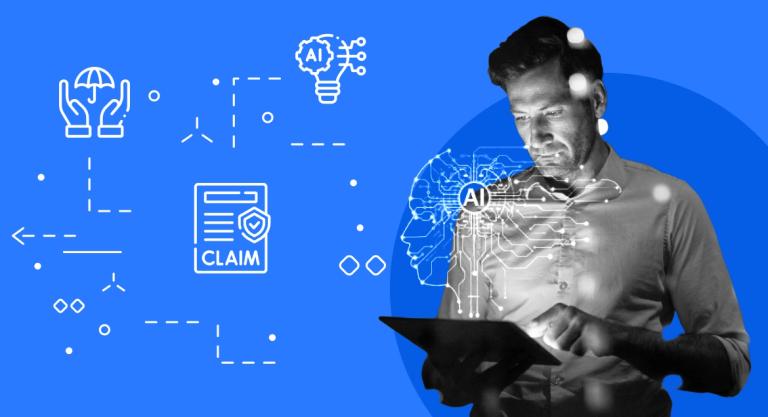
Insurance Claims Management Software Development

Eliminate claims bottlenecks and reduce processing time by up to 60% with custom insurance claims management software development services. Binariks delivers scalable, compliant solutions that transform manual workflows into automated powerhouses – from FNOL to settlement.

Get a Consultation

What is claims management software?

Claims management software is a system insurance companies use to handle the entire claims process — from FNOL (First Notice of Loss) and document collection to investigation, payments, communication, and claim resolution. It helps automate workflows, reduce manual work, improve accuracy, and speed up claim processing.

FNOL Automation

We build multi-channel FNOL solutions that let policyholders submit claims through mobile, web, voice, chatbot, or agent-assisted workflows. The system validates data in real time, verifies policy details, and creates structured claim files faster.

Claims Case Management

We develop centralized case management systems with complete claim history, audit trails, dynamic workflow routing, stakeholder communication, deadline tracking, and automated escalations. This helps claims teams reduce manual status checks and manage cases with greater visibility.

Self-Service Claims Portals

We create self-service portals where policyholders can report claims, upload documents, track claim status, receive updates, and communicate securely with claims teams. This reduces support workload while giving customers the transparency they now expect.

Claims Workflow Automation

We automate repetitive claims workflows, including task assignment, document generation, claim routing, approval flows, notifications, and escalation rules. The goal is to reduce manual handoffs and help claims teams process routine cases faster.

Fraud Detection & SIU Tools

We build AI-powered fraud detection and special investigation tools that analyze claim data, documents, images, behavior patterns, and network links. These systems help identify suspicious claims earlier while reducing false positives that delay legitimate cases.

Сlaims Analytics & Reporting

We develop real-time claims dashboards, operational reports, predictive analytics, and regulatory reporting tools. These solutions help insurers track cycle time, cost per claim, settlement trends, STP rates, loss forecasting, and team performance.

You're losing competitive edge and customers to outdated claims processes. Here are the bottlenecks costing you money:

What’s Holding Your Claims Operation Back

What You Get

Modern insurance claims management software helps insurers reduce manual workload, speed up settlements, detect fraud earlier, and give policyholders a more transparent claims experience. Binariks builds custom claims processing systems around your workflows, integrations, compliance needs, and long-term operating model.


The result is a connected operational layer that helps your teams process claims faster, make better decisions, and scale without adding unnecessary administrative overhead.

  • Slash processing time and operational costs


    Automate repetitive tasks from data entry to damage assessment, so adjusters can focus on complex claims that require human judgment.

  • Detect fraud before it costs you


    Use AI-powered insurance claims automation solutions, text mining, computer vision, and network analysis to flag suspicious claims without overwhelming teams with false positives.

  • Ensure regulatory compliance automatically


    Build audit trails, data governance, and jurisdiction-specific rules directly into claims lifecycle management workflows.

  • Scale without adding headcount


    Run cloud-native custom claims processing systems that handle growing claim volumes without major infrastructure overhauls.

  • Deliver customer experiences that build loyalty


    Enable FNOL automation, real-time status tracking, automated notifications, and transparent communication across mobile, web, and portal channels.

Why Clients Trust Us

Insights into our team achievements and valued partnerships

Deliverables We Provide

Binariks structures insurance claims management software development around clear delivery outputs, from workflow discovery and architecture to implementation, integrations, QA, and launch support.

Submit a claims software request

Improve claims speed, transparency, and operational efficiency.

Start Discovery
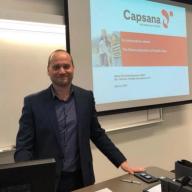
Oleh Petrivskyy photo
Oleh Petrivskyy
CEO & Co-Founder
In claims, speed matters, but trust matters even more. The right software helps insurers move faster without losing transparency, empathy, or control over critical decisions.

Development Process

We follow a structured delivery process designed for complex claims environments where integrations, compliance, data accuracy, and operational continuity matter from day one.

Step 01

Discovery & Claims Workflow Analysis

We map your current claims lifecycle, user roles, bottlenecks, regulatory requirements, and integration points.

Output: Workflow map, technical scope, risk areas, and prioritized roadmap.

Step 02

Solution Architecture & MVP Planning

We define the system architecture, core modules, data flows, integrations, and MVP release plan.

Output: Architecture blueprint, backlog, delivery plan, and team composition.

Step 03

UX/UI and User Journey Design

We design role-specific experiences for claimants, adjusters, supervisors, providers, agents, and administrators.

Output: User flows, wireframes, clickable prototypes, and validated product logic.

Step 04

Agile Development & Integration

We build claims modules in iterations while connecting PAS, CRM, EHR, payment, document, and third-party systems.

Output: Working software increments, integrations, and sprint demos.

Step 05

QA, Security & Compliance Validation

We test workflows, integrations, data accuracy, access control, audit trails, and performance under realistic conditions.

Output: QA reports, UAT support, compliance checks, and go-live readiness.

Step 06

Launch, Support & Optimization

We support deployment, monitor system performance, and improve claims workflows based on real usage.

Output: Production launch, support plan, optimization backlog, and continuous improvement roadmap.

Build claims software around your real workflows

Book a call to review your current claims workflow, identify automation opportunities, and define the first practical step toward a connected claims management system.

Technology Stack

Java
C#
.NET
Python
Java Spring Boot
ASP.NET Core
Django
Flask
Docker
Kubernetes
Service Mesh (Istio)
REST
GraphQL
gRPC
React
Angular
Vue.js
React Native
Flutter
Swift
Kotlin
Tailwind CSS
Material-UI
Custom component libraries
PostgreSQL
MongoDB
Microsoft SQL Server
Oracle Database
Snowflake
Amazon Redshift
Google BigQuery
Tableau
Power BI
Looker
Apache Kafka
Apache Flink
Tensorflow
PyTorch
Scikit-learn
Transformers (Hugging Face)
spaCy
OpenCV
YOLO
Google Vision API
H2O.ai
DataRobot
AWS
Azure Microsoft
Google Cloud
Amazon S3
Azure Blob Storage
Google Cloud Storage
EC2
Azure VMs
Google Compute Engine
Lambda
Azure Functions
AES-256
TLS 1.3
HashiCorp Vault
OAuth 2.0
SAML
Azure AD
Okta
Jenkins
GitLab CI/CD
GitHub Actions
Azure DevOps
Datadog
New Relic
Prometheus
Grafana
Elasticsearch
Logstash
Kibana
Splunk

Backend & Core Processing

Java
C#
.NET
Python
Java Spring Boot
ASP.NET Core
Django
Flask
Docker
Kubernetes
Service Mesh (Istio)
REST
GraphQL
gRPC

Frontend & User Interfaces

React
Angular
Vue.js
React Native
Flutter
Swift
Kotlin
Tailwind CSS
Material-UI
Custom component libraries

Data & Analytics

PostgreSQL
MongoDB
Microsoft SQL Server
Oracle Database
Snowflake
Amazon Redshift
Google BigQuery
Tableau
Power BI
Looker
Apache Kafka
Apache Flink

AI & Machine Learning

Tensorflow
PyTorch
Scikit-learn
Transformers (Hugging Face)
spaCy
OpenCV
YOLO
Google Vision API
H2O.ai
DataRobot

Cloud Infrastructure

AWS
Azure Microsoft
Google Cloud
Amazon S3
Azure Blob Storage
Google Cloud Storage
EC2
Azure VMs
Google Compute Engine
Lambda
Azure Functions

Security & Compliance

AES-256
TLS 1.3
HashiCorp Vault
OAuth 2.0
SAML
Azure AD
Okta

DevOps & Monitoring

Jenkins
GitLab CI/CD
GitHub Actions
Azure DevOps
Datadog
New Relic
Prometheus
Grafana
Elasticsearch
Logstash
Kibana
Splunk

Our Insurance Development Expertise

See how Binariks supports insurance software modernization across core operational and customer-facing systems.

FAQ

Can you automate the FNOL process?

Yes. We implement multi-channel FNOL automation that captures claims via mobile app, web portal, voice calls (with speech-to-text), and even chatbots. Our systems use AI to validate data in real time, extract details from photos/documents using computer vision and OCR, and auto-populate claim files—eliminating manual entry. Policyholders get instant confirmation, and adjusters receive complete, structured claim data from day one.

How does the software integrate with existing policy management systems?

We build native integrations with major platforms (Guidewire, Duck Creek, Majesco) and custom APIs for legacy systems. Our approach ensures bi-directional data flow—claims pull policy details in real time, while claim outcomes update policy history automatically. We handle data mapping, transformation, and synchronization so your teams never work with stale or conflicting information.

Do you implement AI-based fraud detection tools?

Absolutely. Our fraud detection modules use machine learning models trained on millions of claim patterns. They analyze structured data (claim amounts, dates, locations), unstructured content (descriptions, images, voice recordings), and external signals (credit scores, social media) to score fraud risk. The system flags high-risk claims for human review while fast-tracking legitimate cases, balancing protection and customer experience.

How do you ensure data integrity during migration from legacy claims databases?

We follow a phased migration strategy:

(1) Data profiling to identify inconsistencies and gaps, (2) Automated ETL pipelines with validation rules and reconciliation checks, (3) Parallel runs where both old and new systems operate simultaneously for verification, (4) Cutover only after validated accuracy thresholds agreed upon during discovery. We also build rollback plans and maintain legacy system access during transition periods to eliminate risk.

Can the system handle multi-currency and multi-jurisdiction claims?

Yes. Our platforms support multi-currency transactions with real-time exchange rate updates, jurisdiction-specific regulatory rule engines (state insurance codes, international regulations), and localized compliance reporting. Whether you're settling a claim in USD in Texas or EUR under GDPR in Germany, the system applies the correct rules, taxes, and compliance requirements automatically.
How do you approach mobile claims reporting for policyholders?

We design mobile-first experiences that let policyholders submit claims in under 5 minutes. Features include guided workflows with plain-language prompts (not insurance jargon), in-app photo/video capture with automatic damage assessment, offline capability for areas with poor connectivity, and real-time status tracking with push notifications. The goal is to make filing a claim as easy as ordering a ride-share.

Is the software compliant with industry-specific regulations like HIPAA or GDPR?

Compliance is built in, not bolted on. For health insurance platforms, we implement HIPAA-compliant data encryption (at rest and in transit), role-based access controls, comprehensive audit logging, and Business Associate Agreements (BAA) for all third-party services. For GDPR, we include data subject rights management (access, deletion, portability), consent tracking, and automated data retention policies. All systems undergo regular security audits and penetration testing.
How long does the initial discovery phase last for a claims management project?

Typically 2-4 weeks, depending on complexity. During discovery, we map your current workflows, identify integration points with existing systems, document regulatory requirements, and define success metrics. You receive a detailed technical specification, project roadmap, team composition, and transparent timeline/budget before any development begins. This upfront investment prevents scope creep and ensures we build exactly what you need

How do you handle scope changes during development?

We manage scope changes through a transparent change-control process. When new requirements appear, we assess their impact on timeline, budget, architecture, and dependencies, then help you prioritize them against the current roadmap. This keeps delivery flexible without losing control over project outcomes.

What does your post-launch support and maintenance model look like?

After launch, Binariks can support your claims management software with bug fixing, monitoring, performance optimization, security updates, feature enhancements, and integration maintenance. We define the support model based on your system complexity, internal team capacity, and long-term product roadmap.

Insurance Insights from Our Experts

Let's Start Your Project

We'd love to hear about the project you're working on. Simply complete the form and we'll be in touch.

What happens next?

01

Our expert will reach out to understand your goals and challenges

02

If needed, we'll sign an NDA to ensure full confidentiality

03

You'll receive a tailored roadmap with solution suggestions, timelines, and budget estimates